
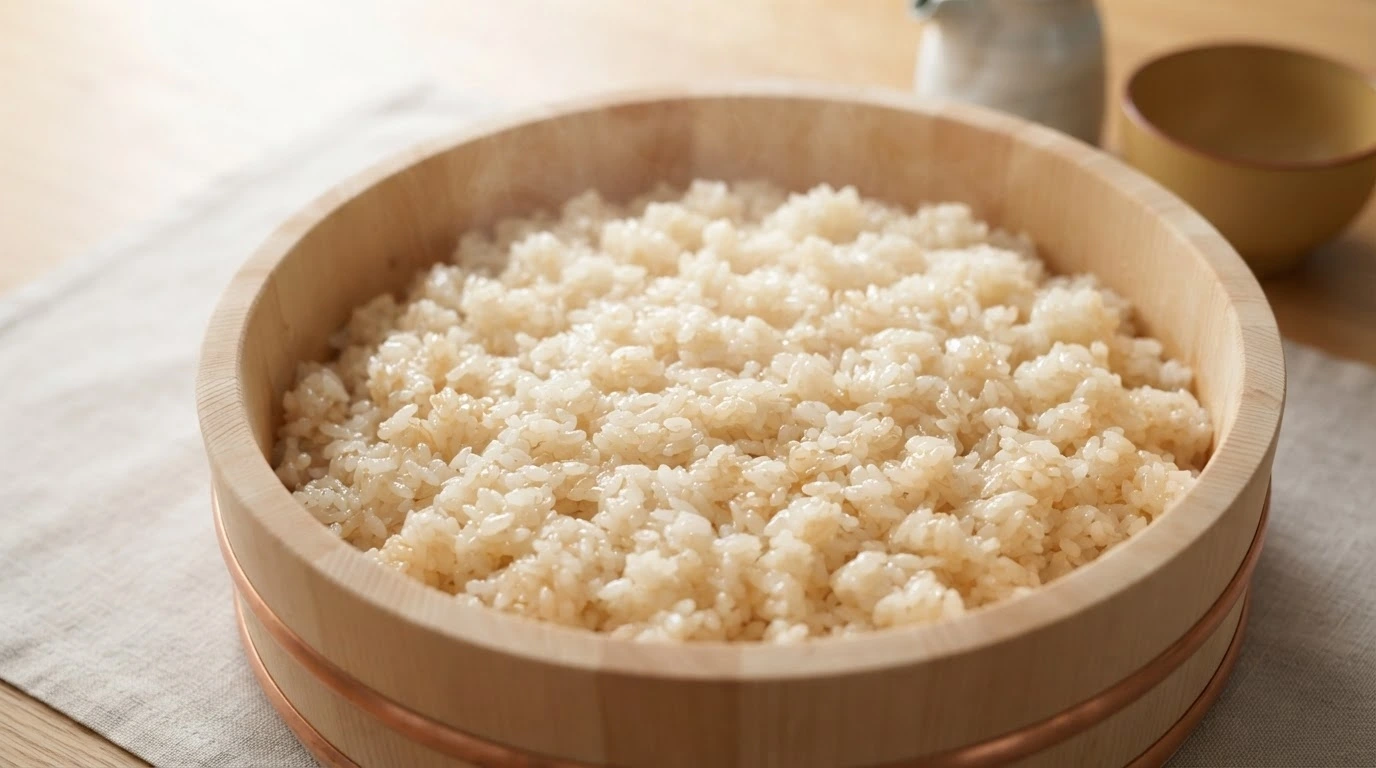
If you want homemade sushi to taste better, start with the rice.
A lot of people focus on the fillings first, but the truth is simple: even the freshest salmon or the crispiest cucumber will not save bad rice. The best sushi rice recipe should give you rice that is sticky enough to hold together, glossy enough to look beautiful, and seasoned just enough to taste balanced without overpowering the rest of the roll.
The good news is that sushi rice is not hard to make. Once you understand the right rice, the right seasoning, and a few easy technique tips, you can make restaurant-style sushi rice at home without stress.
In this guide, you will learn exactly how to make the best sushi rice recipe step by step, plus the most common mistakes to avoid.
What Is Sushi Rice?
Sushi rice is short-grain white rice that is cooked and then seasoned with a mixture of rice vinegar, sugar, and salt. It is the foundation of sushi rolls, hand rolls, nigiri, poke bowls, sushi bakes, and even musubi.
What makes sushi rice special is the balance. It should be:
- soft but not mushy
- sticky but not gummy
- lightly sweet
- gently tangy
- easy to shape and handle
When made properly, sushi rice tastes good on its own and makes every sushi filling better.
Why This Is the Best Sushi Rice Recipe
There are a lot of sushi rice recipes online, but the best ones all get a few things right:
- they use Japanese short-grain rice
- they rinse the rice well
- they keep the water ratio controlled
- they season the rice while it is still warm
- they fold the seasoning in gently instead of stirring aggressively
- they cool the rice properly so it stays glossy
This version keeps things simple while still giving you the classic flavor and texture you want.
Ingredients for the Best Sushi Rice Recipe
You only need a few ingredients:
- 2 cups Japanese short-grain sushi rice
- 2 cups water
- 1/4 cup unseasoned rice vinegar
- 2 tablespoons sugar
- 1 teaspoon salt
- 1 small piece kombu, optional
Ingredient Notes
Sushi rice:
Use Japanese short-grain rice if possible. This is the best choice because it has the right starch content for sushi.
Rice vinegar:
Always use unseasoned rice vinegar unless you plan to adjust the sugar and salt yourself.
Sugar and salt:
These balance the vinegar and create that familiar sushi rice flavor.
Kombu:
This is optional, but it can add a subtle umami flavor.
How to Make the Best Sushi Rice Recipe
1. Rinse the Rice
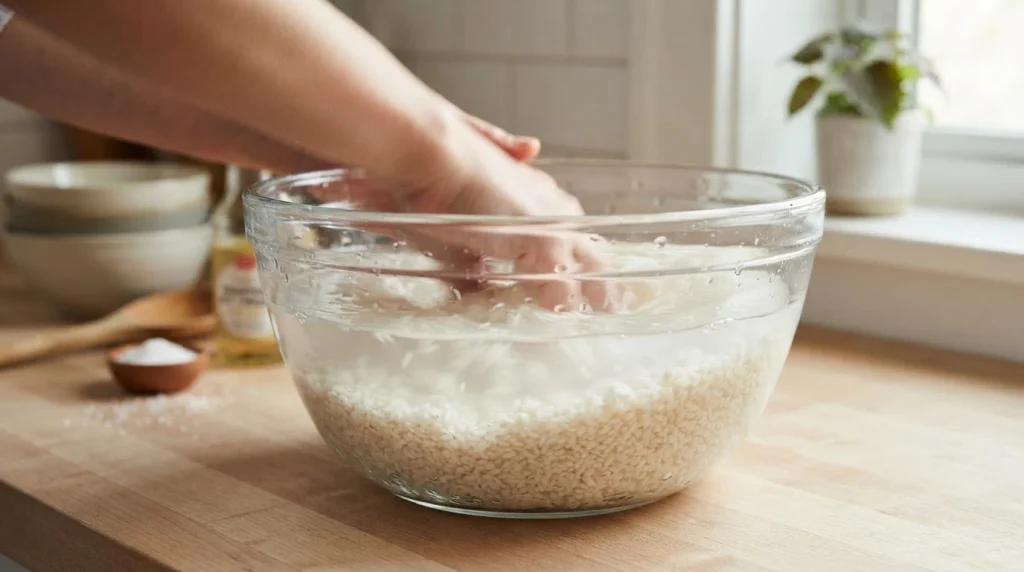
Place the rice in a bowl and cover it with cold water. Swirl the rice gently with your hand, then pour the water out. Repeat this several times until the water looks mostly clear.
This step matters more than people think. Rinsing removes excess starch from the outside of the grains so the rice turns out sticky without becoming thick or gluey.
2. Soak the Rice
After rinsing, let the rice soak in clean water for 20 to 30 minutes if you have time.
Soaking helps the grains absorb water more evenly, which improves the final texture. If you are in a rush, you can skip this step, but soaking usually gives better results.
3. Cook the Rice
Drain the rice and add it to a rice cooker or heavy pot with 2 cups of water. If you are using kombu, add it now.
Rice Cooker Method
Cook according to your rice cooker’s standard white rice setting.
Stovetop Method
Bring the rice to a boil over medium-high heat. Once it boils, cover the pot, reduce the heat to low, and cook for 12 to 15 minutes. Then turn off the heat and let the rice rest, covered, for 10 to 15 minutes.
The goal is rice that is tender but still slightly firm. Overcooked rice will not hold up as well once seasoned.
4. Make the Sushi Rice Seasoning
While the rice cooks, combine the rice vinegar, sugar, and salt in a small saucepan.
Warm the mixture over low heat just until the sugar and salt dissolve. Do not let it boil. Remove it from the heat and let it cool slightly.
This simple vinegar mixture is what gives sushi rice its signature flavor. It should taste balanced, not harsh or overly sweet.
5. Transfer the Rice to a Wide Bowl
Once the rice is cooked, move it to a wide bowl, baking sheet, or wooden tub if you have one.
A wider surface helps the rice cool faster and makes it easier to season evenly.
6. Season the Rice Gently
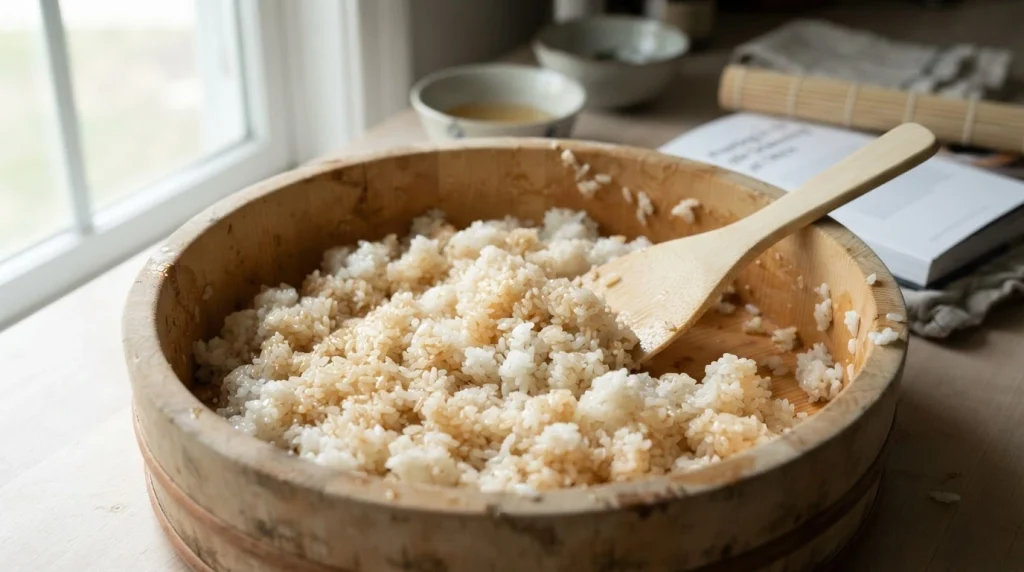
Drizzle the vinegar mixture over the hot rice a little at a time. Use a rice paddle, spatula, or wooden spoon to fold it in with a cutting motion.
Do not stir the rice aggressively like mashed potatoes. That will crush the grains and ruin the texture.
Instead:
- drizzle a little seasoning
- fold gently
- spread the rice slightly
- repeat until evenly seasoned
This is one of the biggest differences between average rice and the best sushi rice recipe.
7. Cool the Rice
As you fold the rice, fan it gently or let steam escape so the extra moisture evaporates.
This helps the rice develop a glossy finish and keeps it from becoming too wet. The rice is ready when it is no longer steaming heavily and feels slightly warm or room temperature.
Best Tips for Perfect Sushi Rice
If you want your sushi rice to come out right every time, keep these tips in mind:
Use the Right Rice
Short-grain Japanese rice is the best option. Avoid jasmine, basmati, and other long-grain rice varieties.
Do Not Skip Rinsing
Rinsing keeps the rice from becoming overly starchy and gummy.
Keep the Texture Gentle
Always fold the seasoning into the rice instead of stirring hard.
Add Seasoning Gradually
You want even flavor, not wet spots and dry spots.
Let the Rice Cool Properly
Hot rice is hard to work with, and cold rice loses its ideal texture.
Keep It Covered
If you are not using it right away, cover the rice with a damp towel so it does not dry out.
Common Mistakes to Avoid
Even good ingredients can lead to disappointing results if the technique is off. Here are the most common mistakes:
Using the Wrong Rice
Long-grain rice does not have the right texture for sushi. It stays too separate and fluffy.
Adding Too Much Water
If the rice is too soft before seasoning, it can quickly turn mushy.
Pouring in All the Seasoning at Once
Add the seasoning gradually instead of pouring it all into one spot. This helps the rice season evenly and keeps the texture light.
Overmixing the Rice
Too much mixing crushes the grains and turns the rice sticky in the wrong way.
Refrigerating It Too Soon
Fresh sushi rice tastes best the same day. Refrigeration can make it stiff and dry.
Can You Make Sushi Rice Ahead of Time?
Yes, but same-day is best.
If you are making sushi later in the day, keep the rice covered at room temperature with a damp towel. That will help prevent it from drying out.
If you have leftovers, store them in an airtight container in the refrigerator for up to 2 to 3 days. When reheating, sprinkle the rice lightly with water and microwave it covered until softened. Let it cool slightly before using it again.
Keep in mind that leftover sushi rice is usually better for bowls than for delicate sushi rolls.
What Can You Make With Sushi Rice?
One of the best things about this recipe is that it works for more than just classic sushi rolls.
You can use it for:
- California rolls
- spicy tuna rolls
- salmon avocado hand rolls
- poke bowls
- chirashi bowls
- sushi bake
- cucumber rolls
- Spam musubi
- simple rice bowls with salmon or shrimp
Once you know how to make sushi rice well, you open the door to a lot of easy homemade meals.
FAQ: Best Sushi Rice Recipe
What rice is best for sushi rice?
Japanese short-grain white rice is the best choice because it has the right sticky texture for sushi.
Can I use jasmine rice for sushi?
You can, but it will not give you the same result. Jasmine rice is too fluffy and separate for proper sushi texture.
Do I need rice vinegar for sushi rice?
Yes. Rice vinegar gives sushi rice its classic flavor. Without it, the rice will taste flat and less authentic.
Can I use seasoned rice vinegar?
Yes, but reduce the added sugar and salt because seasoned vinegar already contains both.
Why is my sushi rice mushy?
Usually because of too much water, poor rinsing, or overmixing after cooking.
Should sushi rice be hot or cold?
Neither. It is best at room temperature or slightly warm.
Final Thoughts
The best sushi rice recipe is not complicated, but it does reward attention to detail.
Use the right rice. Rinse it well. Season it gently. Cool it properly.
That is really the difference between sushi rice that just works and sushi rice that makes people pause after the first bite and say, “Wow, this is actually really good.”
If you are planning homemade sushi night, save this recipe first. Once the rice is right, everything else gets easier.