
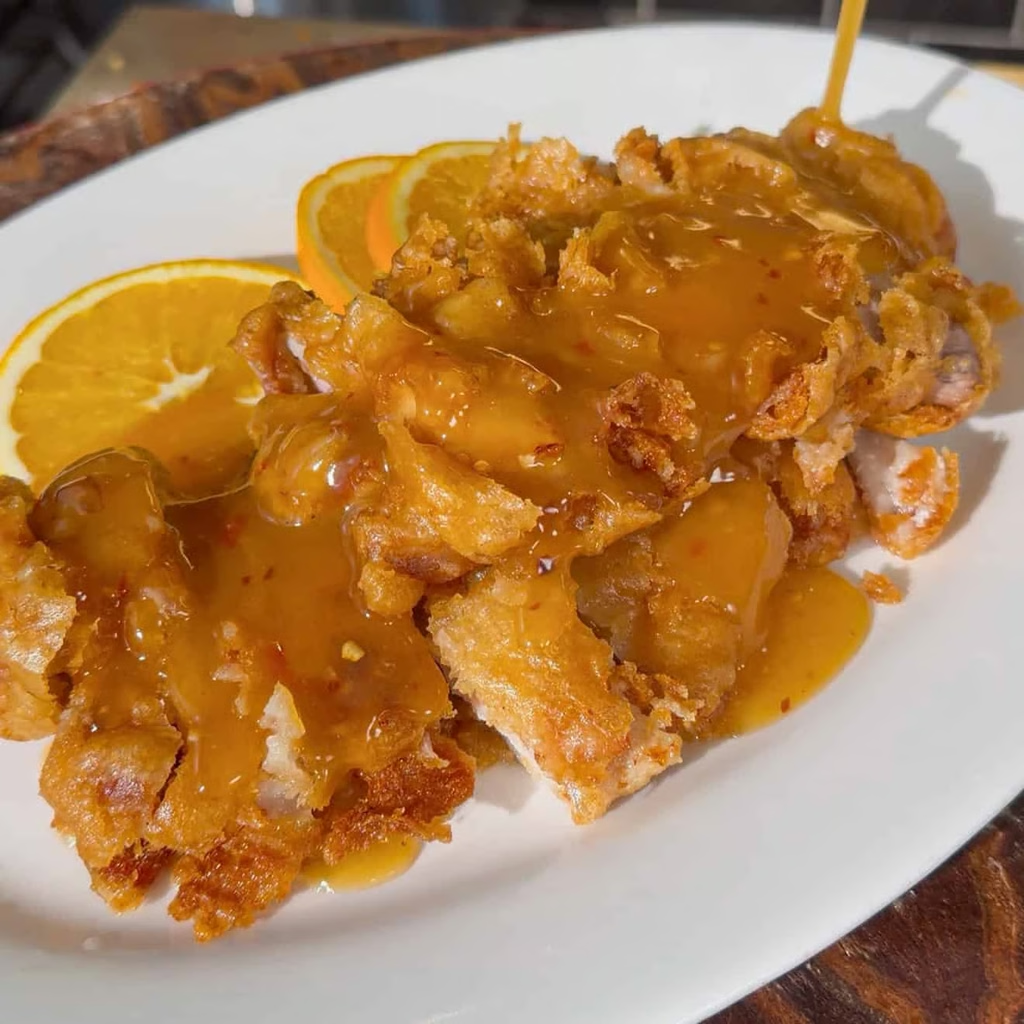
There are two kinds of people in this world: those who order orange chicken every time the takeout menu appears, and those who have absolutely no idea what they’re missing. If you fall in the first camp, this homemade orange chicken recipe is about to become a problem, because once you taste it crisp, glossy, and citrus-bright from your own pan, the carton delivery will never taste quite the same again.
This is the dish that made Chinese-American takeout famous: bite-sized pieces of chicken with a shatteringly crisp cornstarch coating, tossed in a sweet-tangy orange sauce that clings to every ridge and corner. It’s the dish Panda Express turned into a fast-food icon, and it’s far easier to make at home than most people assume, no wok, no deep fryer, no special equipment required.
The version I’m sharing below uses a clever shallow-fry technique that delivers deep-fried crispiness with a fraction of the oil. It’s balanced the way the best orange chicken should be: sweet, yes, but with enough vinegar, soy, and fresh orange zest that it never tips into candy territory. Fair warning: it’s sticky, it’s addictive, and “just one more piece” is not a phrase you’ll be able to avoid saying.
Why This Orange Chicken Recipe Works
Most recipes for orange chicken fail in one of two ways: the coating goes soft the second it hits the sauce, or the sauce tastes like orange-flavored sugar water. This recipe solves both problems with three deliberate choices:
- Cornstarch does the crisp work. The chicken gets a two-step cornstarch treatment, a sticky soy-and-cornstarch “glue” first, then a heavier cornstarch coating that’s pressed on and shaken off. Cornstarch fries up crispier than flour and holds its crunch longer. And note: no egg. Egg makes coatings less crispy, which is why it only shows up in breaded recipes.
- The sauce is fast and citrus-first. The key to a sauce that actually tastes of orange is zest — that’s where the flavor lives, plus a short simmer. The longer you cook the sauce, the more the fresh citrus flavor fades. A touch more cornstarch than usual means it thickens into a glossy, honey-like glaze in under two minutes, so the orange stays bright.
- Zest goes in at the end. The orange zest is stirred in after the sauce has thickened, not simmered in it. It keeps the flavor fresh and vibrant, a small move that makes the whole dish taste like real oranges instead of orange syrup.
Ingredients: What to Grab
For the crispy chicken
- 1.2 lb (600 g) boneless skinless chicken thighs — juicier than breast; cut into 1-inch (2.5 cm) pieces
- 2 tablespoons light or all-purpose soy sauce — do not use dark or sweet soy; they’re too intense
- ½ teaspoon finely grated ginger (optional but lovely)
- ⅛ teaspoon white pepper — black pepper works fine
- About ¾ cup plus 2 tablespoons cornstarch, divided
- ¾–1 cup neutral oil (vegetable, canola, or peanut), enough for a ¼-inch (0.5 cm) depth in your pan
For the orange sauce
- 1 cup fresh orange juice (about 2 oranges, or fresh bottled OJ)
- 2 teaspoons orange zest, from 1 orange, plus extra for garnish
- 2 tablespoons Chinese cooking wine / Shaoxing wine , no wine? Use ¼ cup low-sodium chicken stock
- 2 tablespoons rice vinegar — regular white vinegar is a fine substitute
- ⅓ cup plus 2 tablespoons white sugar
- 2 tablespoons light soy sauce
- 1 teaspoon finely grated ginger
- 2 garlic cloves, minced
- 1½ tablespoons cornstarch, for thickening
- ¼ teaspoon kosher salt
For serving
- Steamed white rice
- 1 green onion, finely sliced
- White sesame seeds
The two stars here are the chicken and the orange. Thigh meat stays juicy through the double-cook, and freshly squeezed orange juice with real zest is non-negotiable for that takeout-taste , bottled OJ with no zest will get you close, but zest is the jar of magic dust that makes it sing.
How to Make Orange Chicken, Step by Step
Step 1 — Make the sauce first. In a bowl or jug, whisk the cornstarch with the soy sauce until lump-free (it dissolves much easier in a small amount of liquid). Then whisk in the orange juice, rice vinegar, sugar, Shaoxing wine, ginger, and salt. Keep the garlic and zest separate , they get added later.
Step 2 — Give the chicken its sticky glue. Toss the chicken pieces with the soy sauce, grated ginger, white pepper, and 2 tablespoons of cornstarch. The mixture will look milky and get sticky , that’s exactly right. The stickiness acts as glue for the coating.
Step 3 — Coat, press, and shake. Add the remaining ¾ cup of cornstarch and toss until every piece is coated, separating any pieces that clump. Then grab a few pieces at a time in your fist and clench , this presses the cornstarch firmly onto the surface. Drop them into a colander set over the sink, and when you’re done, shake the colander to let the excess cornstarch fall through. This press-and-shake step is what gives you a craggy, crispy shell instead of a powdery one.
Step 4 — Shallow-fry until deep golden. Heat the oil in a large pan (nonstick helps) over high heat , you want a lively sizzle the moment the chicken hits the oil. Cook the pieces in batches, 1½ minutes per side, until deep golden and crispy. Not light golden, deep golden is the target. Drain on paper towels.
Step 5 — Sauté the aromatics. Pour off all but 2 tablespoons of the oil and scrape out any loose bits. Return the pan to medium-high heat and sauté the garlic for 20–30 seconds, until light golden. (The ginger gets its flavor from simmering in the sauce rather than the pan, fresher that way.)
Step 6 — Thicken the sauce, fast. Give the sauce a good whisk (cornstarch settles on the bottom), pour it into the pan, and simmer for 1½–2 minutes until it turns into a thick, glossy syrup with a honey-like consistency. The speed matters: the less you simmer, the more orange flavor survives.
Step 7 — Add the zest, then toss. Stir the orange zest into the sauce, it brightens the whole pan, then return the chicken and toss quickly to coat every piece. Toss fast to keep the crunch alive.
Step 8 — Serve immediately. Pile it over steamed rice, shower with sliced green onion and sesame seeds, and eat before the coating has time to think about softening. That first bite, crisp edge, sticky sweet-tangy glaze, juicy chicken, is why this recipe exists.
Pro Tips for Perfect Results
- Cut the chicken into even pieces. Uniform 1-inch chunks cook at the same rate, no dry bits, no raw bits.
- Don’t skip the press-and-shake. Clenching the coated pieces in your fist presses cornstarch into the surface; shaking off the excess prevents a powdery coating and stops loose starch from burning in the oil.
- Get the oil genuinely hot. If the chicken doesn’t sizzle immediately, you’re not there yet, it’ll absorb oil and turn greasy instead of crisp.
- Simmer the sauce only 1–2 minutes. Prolonged simmering kills the fresh orange flavor. Trust the extra cornstarch to do its job fast.
- Embrace the soft-crisp reality. Tossing the chicken in a water-based sauce softens the coating a little,that’s how orange chicken is, even at your favorite takeout. You keep the crispy edges and gain sauce in every bite. It’s not a flaw, it’s a feature.
- Serve on warm plates with rice. Plain steamed rice is the perfect quiet backdrop, it catches the extra sauce and balances the sweetness.
Substitutions & Variations
- No deep frying allowed? This recipe already shallow-fries in about a cup of oil, but you can also air-fry or bake the coated chicken at 425°F (220°C) for 12–15 minutes, flipping once. The coating will be slightly less craggy; the sauce stays the same.
- Chicken breast instead of thighs? Works fine, just be careful not to overcook it. Cut slightly larger pieces and pull them at the same 1½-minutes-per-side mark.
- No Shaoxing wine? Swap in the same amount of cooking sake, or use ¼ cup low-sodium chicken stock (simmer the sauce an extra minute to reduce).
- Make it spicy. Add ½–1 teaspoon red chili flakes with the garlic, or a spoonful of chili-garlic sauce in the sauce bowl.
- Turn up the orange. Grate the zest of a second orange over the finished dish, or add a few thin orange slices to the pan in the last 30 seconds of simmering.
- Gluten-free: use tamari or gluten-free soy sauce, everything else is naturally gluten-free.
Storage & Reheating
Leftovers keep for 3–4 days in the fridge in an airtight container. The crispiness fades, that’s unavoidable, but the sticky, glossy sauce keeps the dish genuinely delicious. Reheat in a skillet over medium heat with a splash of water to loosen the sauce, or in the microwave. Skip the freezer: the coating turns mushy.
FAQ
What is orange chicken made of? Bite-sized fried chicken pieces tossed in a glossy sweet-tangy sauce made from orange juice and zest, soy sauce, sugar, vinegar, garlic, and ginger. It’s a Chinese-American creation, popularized in the US, most famously by Panda Express, rather than a traditional Chinese dish.
Can I make orange chicken without a deep fryer? Yes, this recipe uses shallow frying in about a cup of oil, and you can also air-fry or bake the coated chicken. The press-and-shake cornstarch technique is what delivers the crisp coating without full deep frying.
Why is my orange chicken not crispy? Usually one of three things: the oil wasn’t hot enough (it should sizzle instantly), the coating was too thick or powdery (shake off the excess starch), or the chicken sat in the sauce too long before serving. Toss it fast and serve immediately.
Can I use chicken breast instead of thighs? Absolutely. Thighs are juicier, but breast works well, just don’t overcook, since lean meat dries out quickly.
How many calories is orange chicken? This version comes to about 534 calories, 53 g carbs, 31 g protein, and 20 g fat per serving (one of 4, excluding rice), in line with typical homemade orange chicken and lighter than most restaurant versions, where portion sizes tend to balloon.
What goes well with orange chicken? Steamed jasmine or white rice is the classic partner. Add a simple green vegetable, steamed broccoli, bok choy, or snap peas, for a complete meal, or serve it with fried rice and egg rolls for a full takeout spread.
Recipe Card
Name: Crispy Orange Chicken (Better Than Takeout) Yield: 4 servings Prep time: 20 minutes Cook time: 15 minutes Total time: 35 minutes Difficulty: Medium
Ingredients
For the chicken:
- 1.2 lb (600 g) boneless skinless chicken thighs, cut into 1-inch pieces
- 2 tablespoons light or all-purpose soy sauce
- ½ teaspoon finely grated ginger
- ⅛ teaspoon white pepper
- ¾ cup + 2 tablespoons cornstarch, divided
- ¾–1 cup neutral oil, for frying
For the sauce:
- 1 cup fresh orange juice
- 2 teaspoons orange zest (plus extra for garnish)
- 2 tablespoons Shaoxing wine or chicken stock
- 2 tablespoons rice vinegar
- ⅓ cup + 2 tablespoons white sugar
- 2 tablespoons light soy sauce
- 1½ tablespoons cornstarch
- 1 teaspoon finely grated ginger
- 2 garlic cloves, minced
- ¼ teaspoon kosher salt
For serving: steamed rice, sliced green onion, sesame seeds
Instructions
- Whisk the cornstarch into the soy sauce for the sauce until lump-free, then whisk in the remaining sauce ingredients except garlic and zest. Set aside.
- Toss the chicken with 2 tablespoons soy sauce, ginger, white pepper, and 2 tablespoons cornstarch until sticky.
- Add the remaining ¾ cup cornstarch and toss to coat; press handfuls of chicken in your fist, then shake off excess in a colander.
- Heat oil in a large pan over high heat. Fry the chicken in batches for 1½ minutes per side until deep golden and crispy. Drain on paper towels.
- Pour off all but 2 tablespoons of oil; sauté the garlic 20–30 seconds until light golden.
- Whisk the sauce, pour it in, and simmer 1½–2 minutes until thick and glossy (honey consistency). Stir in the orange zest.
- Return the chicken to the pan and toss quickly to coat.
- Serve immediately over rice, garnished with green onion and sesame seeds.
Notes
- Use light or all-purpose soy sauce only, dark or sweet soy will overwhelm the sauce.
- Leftovers keep 3–4 days refrigerated; crispiness fades but flavor doesn’t.
- For air-fryer version, air-fry the coated chicken at 425°F (220°C) for 12–15 minutes, flipping once.
- Nutrition per serving (4 servings, excludes rice): 534 cal | 53 g carbs | 31 g protein | 20 g fat.
Craving takeout but making it better at home? This orange chicken recipe is the one to file away, and if you loved the crispy-coating technique here, you should absolutely try the same treatment on sweet and sour pork next. Tried it? Tell us in the comments how yours turned out, and whether you converted any die-hard delivery fans. Happy cooking!