Jacques Pépin Scrambled Eggs Recipe: The Creamy French Method, Done in Under 5 Minutes
Silky, custardy, barely holding a shape — this is the 3-minute technique from Julia and Jacques Cooking at Home, finished with the chef’s secret raw-egg trick.
If there’s one person the world agrees to listen to about eggs, it’s Jacques Pépin. Anthony Bourdain once put it this way: “I feel that if Jacques Pépin shows you how to make an omelet, the matter is pretty much settled. That’s God talking.” The same authority applies to his scrambled eggs — except here’s the twist most people miss: Pépin’s scrambled eggs have almost nothing in common with the fluffy, diner-style pile most of us grew up on.
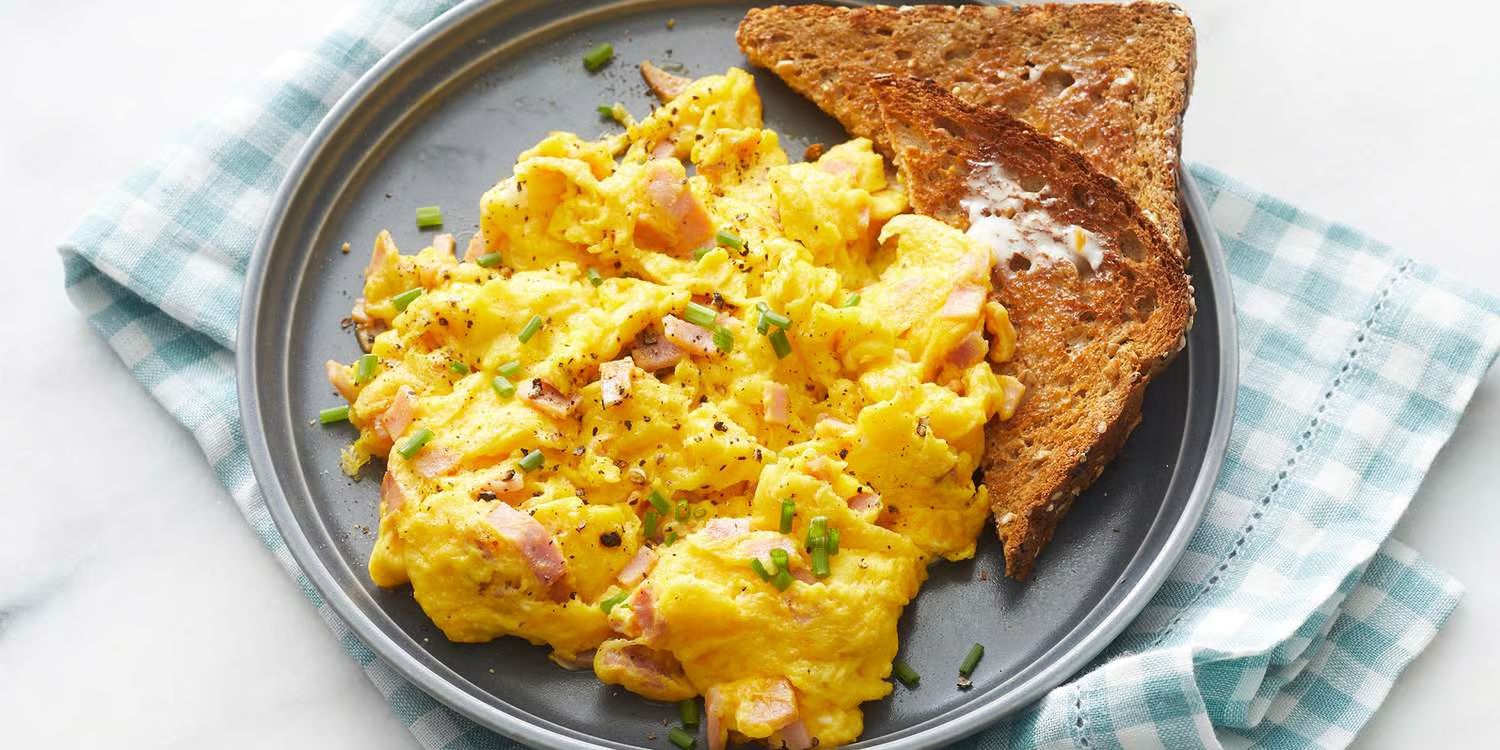
His version is French. It’s silky, custardy, and so soft the eggs barely hold a shape — “almost like a sauce,” as the technique is described in Julia and Jacques Cooking at Home, the 1999 cookbook Pépin co-wrote with Julia Child. The whole thing happens in about three minutes, in one small saucepan, with a whisk and a few generous spoonfuls of butter. No cream cheese, no milk dilution, no cooking-them-fast-and-furiously. Just patience disguised as speed.
This is the recipe that convinced me to never make scrambled eggs any other way. Fair warning up front, though: if you like your eggs firm, this is not the recipe for you. Stick around if you want eggs that taste like a warm, buttery sauce you could spread on toast.
I. Why This Recipe Works
American scrambled eggs are cooked hot and fast, folded into big, dry curds. French scrambled eggs are, in Pépin’s words, about keeping things “as creamy as possible.” He doesn’t chase fluffy — he chases velvet. Three ideas do all the work:
- Low-and-lively heat, constant motion. The eggs go into butter that’s just melted over medium heat, and you whisk from the first second — reaching the bottom and the corners of the pan — until tiny curds form. The result is cottage-cheese-small, not steak-sized.
- You stop before it looks done. Pépin pulls the pan off the heat the moment he sees the bottom of the pan through the curds. The hot pan keeps cooking the eggs off the stove, so stopping early is the whole game. Overcook here and you get rubber, not silk.
- The secret finish: raw egg + cream. Pépin reserves a couple of tablespoons of the uncooked beaten egg and whisks them in at the very end, along with a splash of cream. The raw egg cools the mixture and barely cooks in the residual heat — it’s the trick that stops the cooking cold and guarantees that custard texture.
“If I feel that the heat goes too far, I pull it out.”
— Jacques Pépin, on whisking the eggs
II. Ingredients: What to Grab
- 5 large eggs — for 2 hungry servings; about 2 per person, plus one for luck
- 2 tablespoons unsalted butter, divided — the base of the “sauce,” so don’t skimp
- 1 tablespoon heavy cream — the off-switch for the cooking
- Kosher salt and freshly ground black pepper
- 1 tablespoon minced fresh chives (optional but classic — Pépin puts them right in the bowl)
- For serving: toasted sourdough or croutons, plus sautéed mushrooms and diced tomato for his full oeufs brouillés à la tomate treatment
The two stars are the eggs and the butter. Fresh eggs give you cleaner, sweeter curds, and real butter — not margarine, not oil — is what makes the eggs taste glossy and rich. The cream matters less than you’d think; in a pinch, another pat of butter does the same job of stopping the cooking.
III. How to Make It, Step by Step
Crack your eggs on a flat countertop, not the rim of the bowl. Pépin’s reasoning is practical: cracking on the pointed rim can push shell fragments into the eggs and often breaks the yolk.
Season the eggs in a bowl with salt and pepper (and chives, if using). Beat with a fork — and not by gently swirling the middle: Pépin’s warning is that gentle stirring leaves a “wet mop” of unbroken whites. Drag the fork from one side of the bowl to the other until no long, stringy bits remain. Set aside 2 tablespoons of the beaten egg for the finish.
Use a small, sturdy saucepan over medium heat — rounded corners make it easier. Add about 1½ tablespoons of the butter and melt it until the foam subsides, then tilt the pan to coat the bottom and sides.
Pour in the beaten eggs and start whisking right away, keeping the whisk moving across the bottom and into the corners. From this second on, you do not stop whisking.
Small curds form; the mixture thickens gradually to a small-curd cottage cheese texture. If the heat feels like it’s racing ahead, slide the pan off the burner for a few seconds and keep whisking — that’s exactly what Pépin does.
The moment you can see the bottom of the pan through the curds — while the eggs still look wet and glossy — pull the pan off the heat. The pan holds a lot of heat, and the eggs keep cooking on their own.
Whisk in the reserved 2 tablespoons of raw egg, then a tablespoon of cream (or one last pat of butter). Keep whisking for another 20–30 seconds — the eggs turn even silkier as the raw egg barely cooks in the residual heat.
Pile the eggs on buttered toast or into a warm bowl, scatter with chives, and eat right away. For Pépin’s full treatment, top with sautéed diced tomato and mushrooms — the crunchy, savory garnish against the soft eggs is a perfect match.
IV. Pro Tips for Perfect Results
V. Substitutions & Variations
- No cream? Whisk in an extra pat of butter at the end instead — Pépin’s own fallback. It stops the cooking just as well.
- Crème fraîche instead of cream is even more French — a little tangier, a little thicker.
- Swap the herbs. Chives are classic; fresh tarragon goes beautifully with the cream, and Pépin is a known fan of tarragon with soft eggs.
- Pépin’s serving suggestion: sautéed diced tomato and mushrooms, finished with chives — oeufs brouillés à la tomate. Croutons are welcome.
- The double-boiler version: for a dinner party, cook the eggs over simmering water in a double boiler, whisking constantly. Pépin says it’s perfectly fine — he just prefers direct heat for everyday.
VI. Storage & Reheating
Honest answer: scrambled eggs are a now-food. They don’t reheat well — the curds weep and tighten, and all that silkiness disappears. Make only what you’ll eat (about 2 eggs per person), cook to order, and treat them like an event, not a batch cook.
If you must hold them for a few minutes, leave the eggs slightly wetter than usual and keep them on a warm plate near the stove — they’ll coast to perfect in that time. That’s exactly the grace the raw-egg finish gives you.
VII. FAQ
Can I use milk instead of cream?
Milk works in a pinch but it’s thinner and wetter than cream, so use a smaller splash (about 2 teaspoons per 5 eggs). Cream — or extra butter — is closer to what makes this recipe sing.
Why are these eggs so soft? They look undercooked.
That’s the French method working as intended. Pépin stops the cooking while the eggs are still wet and glossy, then finishes with raw egg and cream off the heat. The result is custard, not clumps. If you prefer firmer eggs, cook them 30–60 seconds longer — but the silkiness is the whole point.
Why did my scrambled eggs turn out rubbery and dry?
Almost always heat or timing. Either the pan was too hot, or you cooked too long before pulling it off. Next time: medium heat, stop as soon as you see the bottom of the pan, and whisk in the raw-egg finish immediately.
Do I need a special pan?
No — but a small, sturdy saucepan with a rounded bottom (Pépin’s preference) is easier because there are no corners for the eggs to hide in. A regular pan works; just make sure the whisk reaches into the corners.
Is this the same thing as a French omelet?
No. An omelet is set and folded around a soft center; this is stirred continuously until it’s a creamy, spoonable mass. The techniques share the whisk work, but a French omelet is its own discipline — and Pépin has famous lessons for that one too.
Recipe Card
Oeufs brouillés à la française · Serves 2
Ingredients
- 5 large eggs
- 2 tablespoons unsalted butter, divided
- 1 tablespoon heavy cream
- Kosher salt and freshly ground black pepper, to taste
- 1 tablespoon minced fresh chives (optional)
- Toasted sourdough or croutons, for serving
- Optional garnish: ½ cup diced tomato and a few chopped mushrooms, sautéed
Instructions
- Crack the eggs on a flat surface (not the rim of the bowl) into a bowl. Season with salt and pepper; add chives if using.
- Beat with a fork, dragging from one side of the bowl to the other, until the whites are fully broken and no long strands remain. Set aside 2 tablespoons of the beaten egg.
- Heat a small saucepan over medium heat. Add 1½ tablespoons of the butter and melt until the foam subsides; tilt the pan to coat the bottom and sides.
- Pour in the beaten eggs and whisk immediately and constantly, reaching the bottom and corners of the pan.
- Whisk for 2 to 3 minutes, until small curds form and the eggs thicken to a small-curd cottage cheese texture. If the heat races ahead, pull the pan off the burner and keep whisking.
- As soon as you can see the bottom of the pan through the curds (eggs still wet and glossy), remove from the heat. The pan’s residual heat will finish cooking.
- Whisk in the reserved raw egg, the cream, and the remaining ½ tablespoon of butter. Continue whisking gently for 20–30 seconds, until silky.
- Serve immediately on buttered toast or warm plates; top with sautéed tomato and mushrooms if you like.
Notes
- The eggs keep cooking after you plate them — stop while they still look slightly wet.
- If you don’t have cream, an extra pat of butter stops the cooking just as well.
- This recipe deliberately produces soft, custardy eggs. If you prefer firm eggs, cook 30–60 seconds longer.